
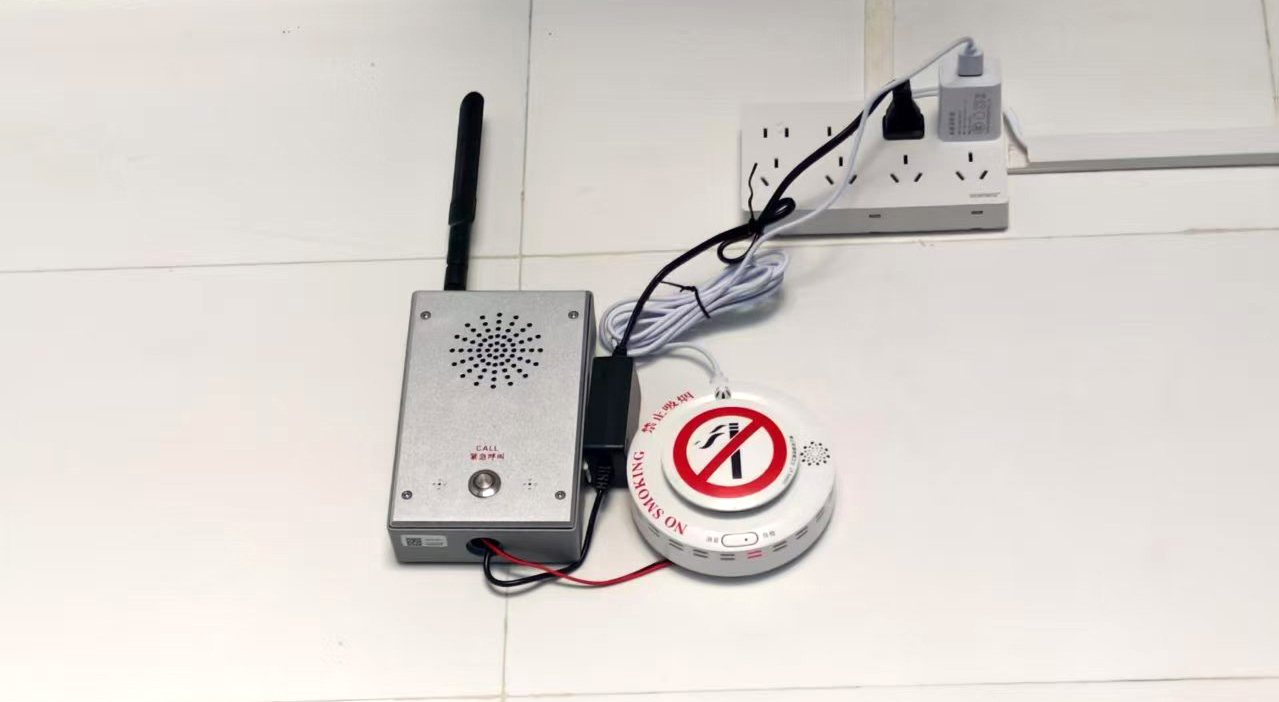
Atayler City Middle School deploys over 100 anti-bullying systems: from 'post-event accountability' to 'pre-event warning'
A middle school in Atayler City, Xinjiang, has long faced the challenges of difficult detection and slow intervention in school bullying. Our company customized over 100 anti-bullying systems with one-touch alarm functionality, covering areas such as toilets, dormitories, and stair corners, which are traditional blind spots for surveillance. After the project was implemented, the response time to student requests for help was reduced to seconds, the reporting rate of bullying incidents increased by three times, and the management pressure on the school significantly decreased. The customer representative stated: 'The system is practical and stable; we will initiate a long-term cooperation plan.' This case provides a replicable and highly effective model for anti-bullying solutions for security integrators and education industry users.
Detailed Content
Project Background: The Pain of Hidden Bullying
This middle school in Atayler City has nearly 2,000 boarding students. Over the past year, anonymous surveys revealed that about 15% of the students have experienced or witnessed verbal threats and physical conflicts in toilets and dormitories. However, traditional cameras cannot be installed in sensitive areas due to privacy concerns, and students are afraid to report such incidents directly. The school urgently needed a technology solution that could provide silent warnings and rapid responses.
Selection and Deployment: Why these 100+ anti-bullying systems?
Our team worked closely with local integrators, conducted on-site inspections, and after three rounds of proposal reviews, we decided to use 'AI voice activation + one-touch alarm + two-way intercom' anti-bullying terminals, totaling 106 units. The deployment locations include:
- Toilet stalls (4 units per floor): Equipped with keyword recognition (such as 'help', 'stop hitting', 'stop it'), which automatically trigger alarms.
- Dormitory corridors and laundry rooms: Students can discreetly press the alarm button or shout for help to activate the voice module.
- Stair corners and water stations: Eliminating surveillance blind spots to achieve full campus coverage.
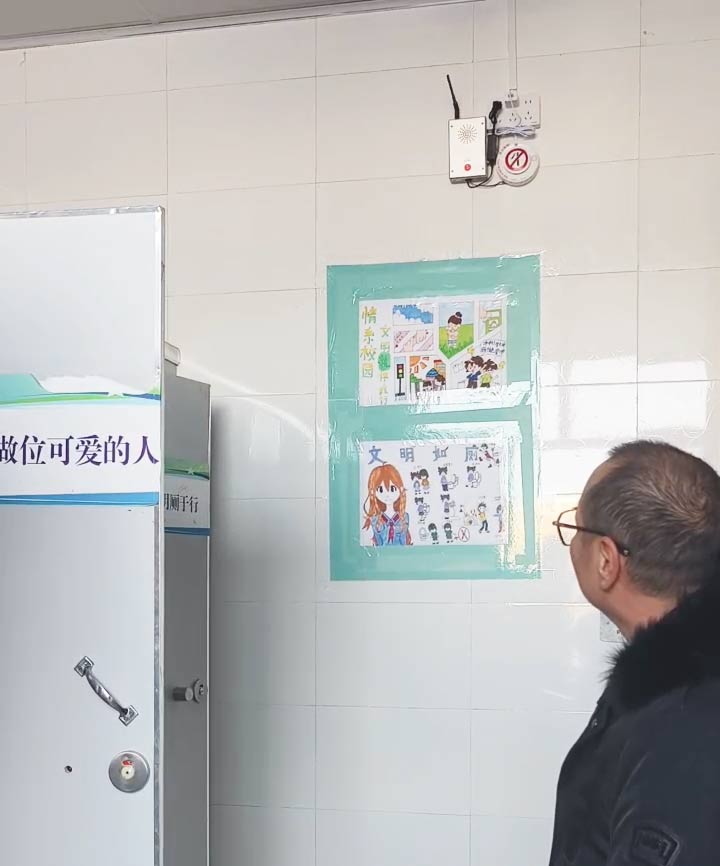
All devices are connected to the school's existing local area network and integrated with our cloud platform, the security room management system, and the mobile app for on-duty teachers. Once an alarm is triggered, the system automatically displays a real-time intercom window for the corresponding location, allowing security personnel to speak remotely and accurately locate the specific stall number.
Key Points of Implementation
- Rapid delivery within 7 days: Construction was carried out on weekends and at night without disrupting regular teaching.
- Comprehensive training: All class advisors, security staff, and dormitory administrators were trained in the use of the anti-bullying system, and a short video tutorial (with subtitles in Uyghur and Kazakh) was produced for students.
- Privacy protection design: The devices do not have cameras and only record audio (intercoms are activated only in case of an alarm), addressing teachers' and students' concerns about privacy; the installation success rate was 100%.
Operational Results and Customer Feedback
Data from the first month of operation:
- 42 alarms were triggered proactively, with 9 of them being prevented from escalating into physical conflicts through remote intervention by teachers;
- Students' sense of security increased from 68 to 89 points (according to a school psychological survey);
- The number of anonymous complaints about bullying decreased by 70%.
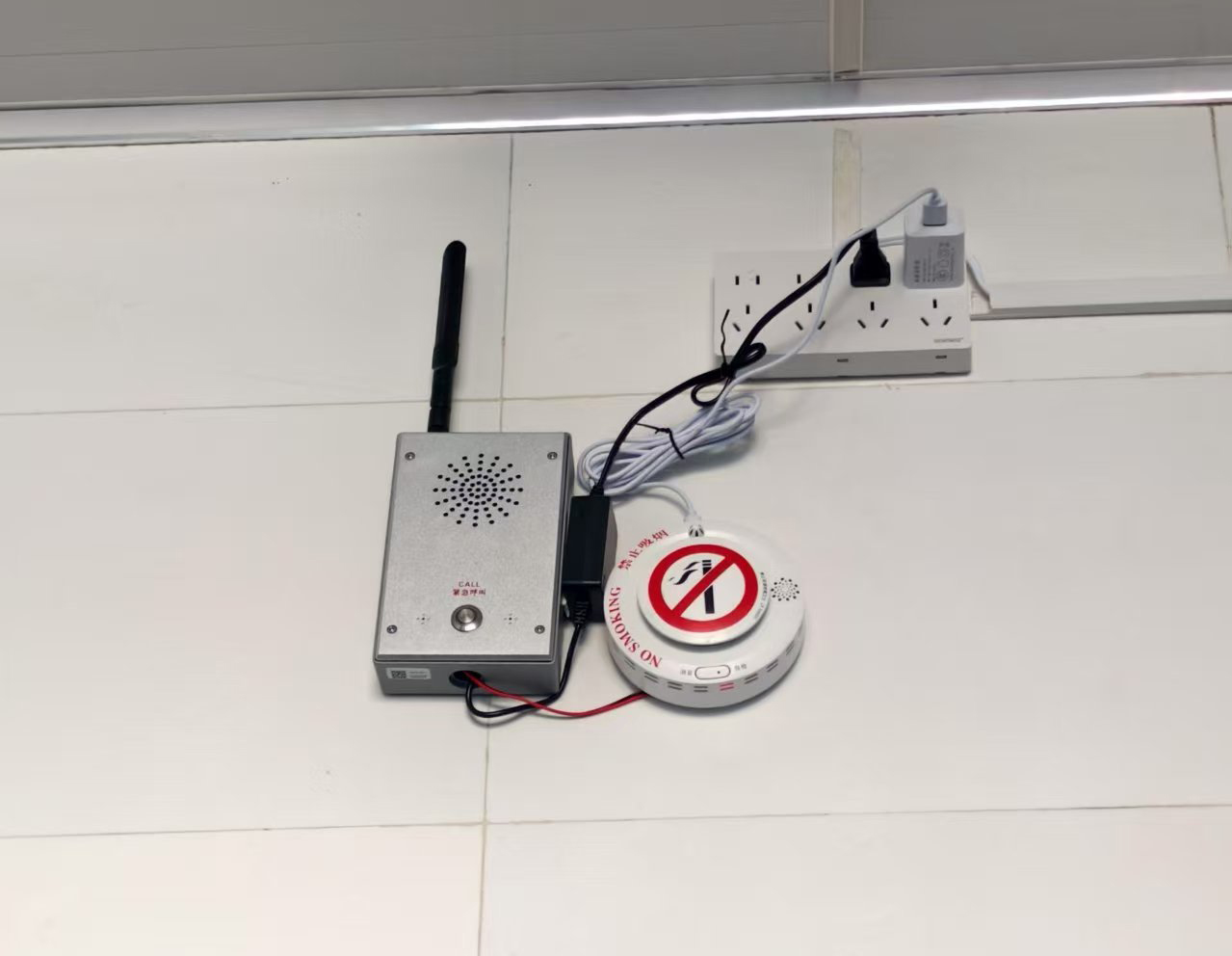
Feedback from School Teachers/Principal: