
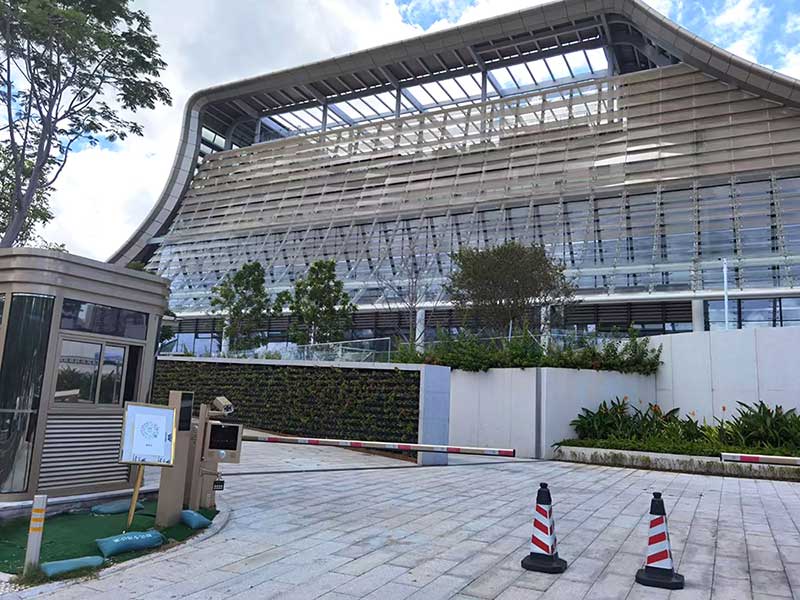
500 AI parking cloud attendants have been installed at the Shenzhen Qianhai International Convention Center: From 'complaints about traffic congestion' to 'instant responses', setting a world-class standard for smart parking.
The Shenzhen Qianhai International Convention Center, which has hosted many national leaders and international dignitaries, hosts over 200 high-end conferences annually. Parking congestion, long queues at exits, and the lack of assistance through walkie-talkies have long been a problem for the operators. Our company deployed 486 AI parking cloud attendants (configured according to the actual number of lanes and parking spaces) to cover all entrances and exits, main corridors, and the large underground parking lot. With AI voice calls, remote communication via cloud attendants, and automated payment, responses to车主's requests are now within 10 seconds, tripling the efficiency of exit traffic and reducing labor costs by 70%.
Detailed Content
Project Background: The Parking Dilemma of a National-Level Convention Center
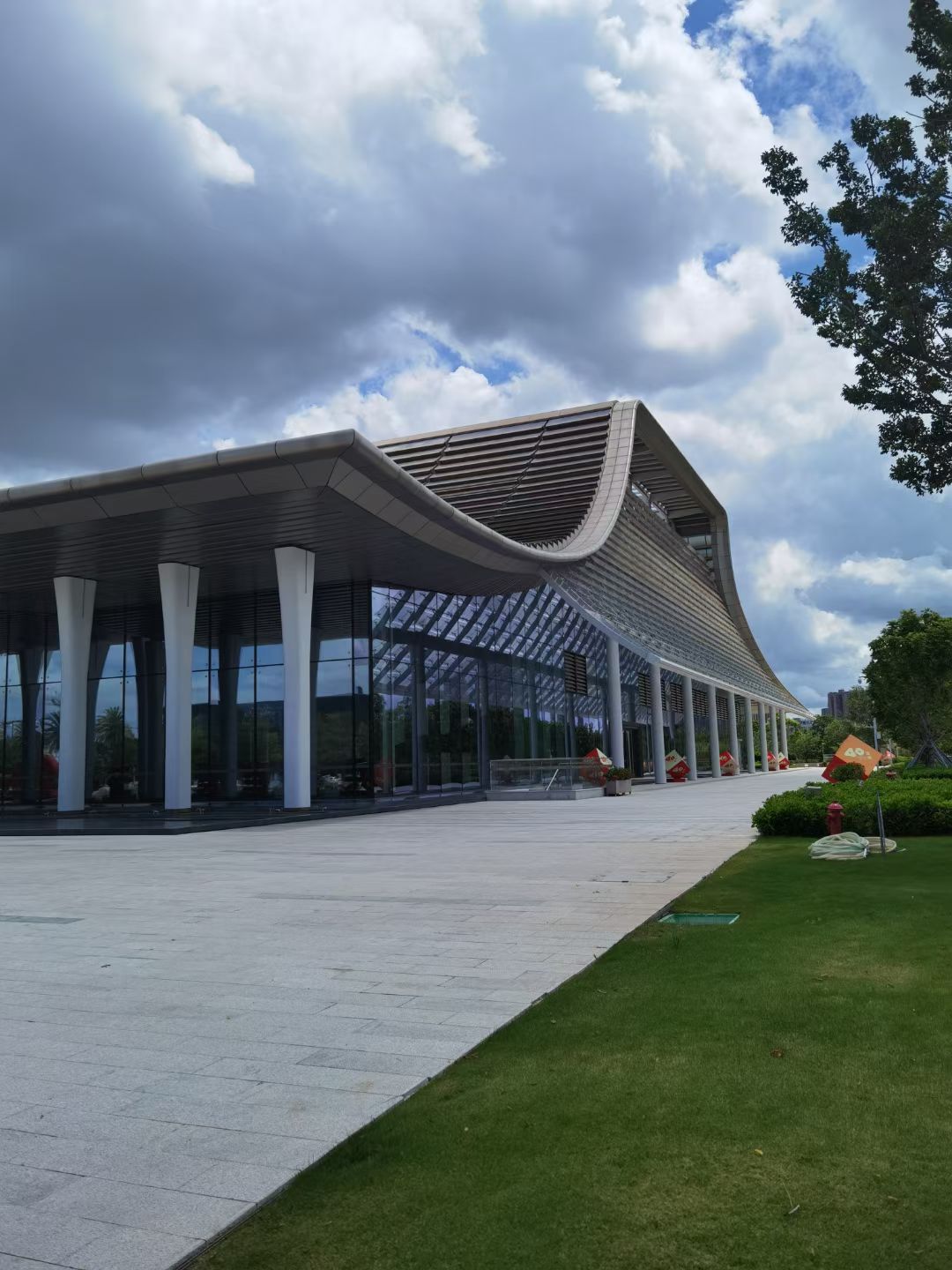 The Shenzhen Qianhai International Convention Center (referred to as 'Shenzhen Convention Center') has a total construction area of over 300,000 square meters and approximately 12,000 parking spaces on the ground and underground. During peak hours, the number of vehicles reaches 8,000. The traditional method of using exit booths for payment and handheld walkie-talkies for management has three major issues:
- Long Queues at Exits: Vehicles often wait for more than 15 minutes during morning and evening peaks and after major conferences, leading to complaints.
- Unanswered Requests for Help: When drivers cannot find their cars, the barriers cannot recognize them, or payments fail, they have to search for security staff or call fixed phones that are often unavailable.
- High Labor Costs: Three shifts of more than 30 staff members are needed for payment and guidance, costing over 3 million yuan annually. Since the convention center has hosted many national-level meetings, there are high requirements for security, service quality, and technical reliability. Most existing parking solutions were deemed to be 'simple in function, not intelligent enough, and lacking emergency communication capabilities.'
Selection and Deployment: Why AI Parking Cloud Attendants?
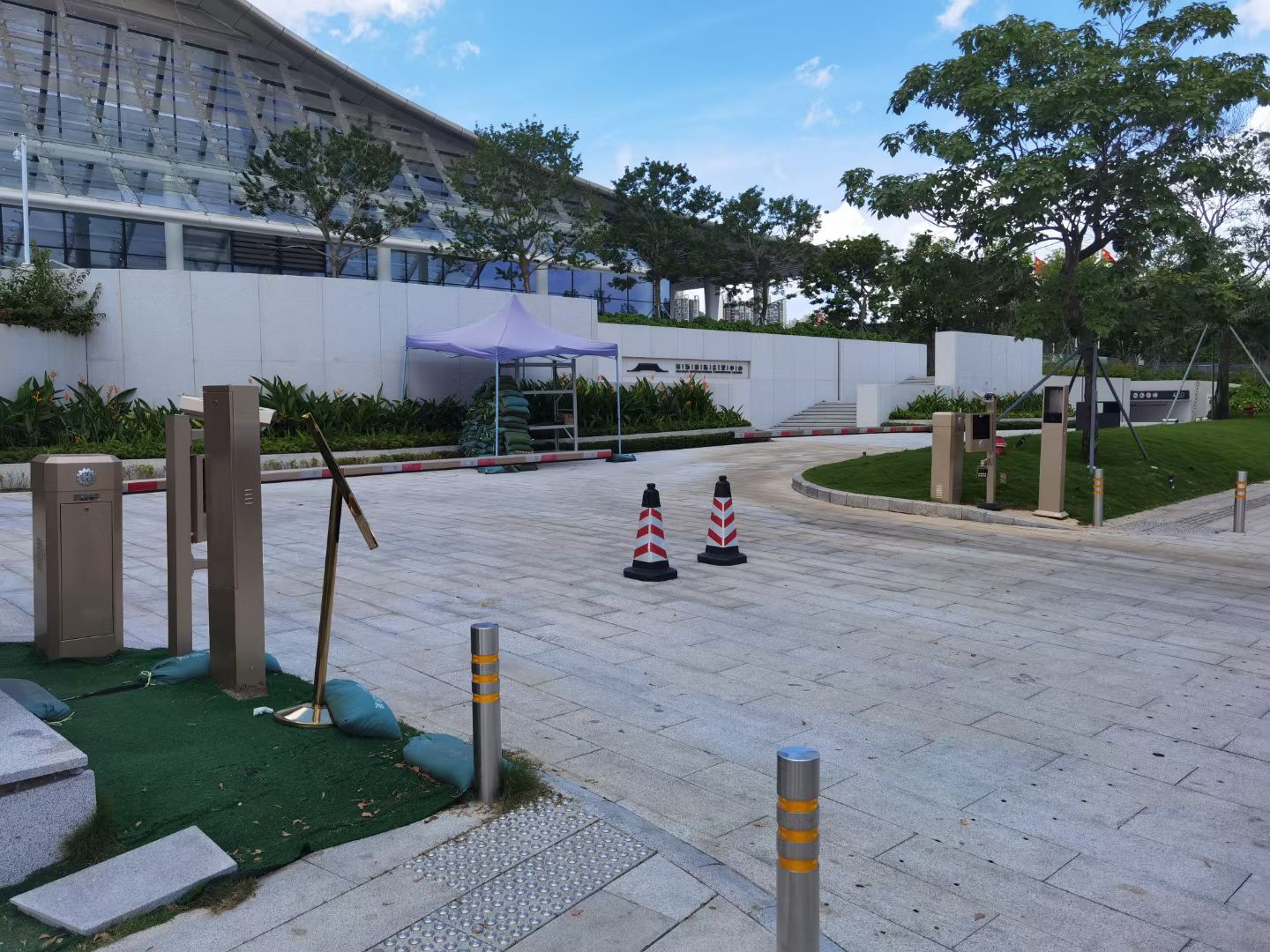 After three rounds of public bidding and on-site stress testing, our company's AI parking cloud attendant system was chosen from six suppliers. The key reasons include:
- Cloud Attendants + Full-Duplex Communication: Drivers can connect to our cloud attendants within 3 seconds by pressing the 'help' button on the attendant, which can also be transferred to the convention center's control room to remotely open barriers, guide vehicles, and assist with payments.
- AI Speech Recognition: Drivers can simply say 'raise the barrier', 'I'm leaving', or 'I can't pay', and the system will automatically handle it or transfer the call to a human operator without any additional button operations.
- Resistant to Harsh Environments: The attendants are designed with an IP65 protection level, ensuring stable operation even during typhoons and heavy rains in Shenzhen.
- Utilization of Existing Barriers: Our attendants use standard relay interfaces to connect with the convention center's existing barriers from brands like Jieshun and Lifang, reducing renovation costs by 40%. In the end, 486 attendants were deployed (originally planned to be 398, but increased to 486 after on-site surveys), covering:
- Entrance/Exit Lanes: 28 attendants for unattended passage.
- Main Corridors and Intersections within the Parking Lot: 180 attendants for driver assistance and parking space guidance.
- Attendants beside Zoned Parking Spaces: 278 attendants, spaced about 30 meters apart, ensuring that any button press or call is detected. All devices are connected to our AIoT cloud attendant platform via 4G and wired dual links, with redundant backups on the convention center's local servers. The platform also integrates with the Shenzhen Public Security Bureau's parking data system to meet the security requirements of large events.